May 8, 2025
The Myth of Cheap Design
Part 1
The Hidden Cost of Cutting Corners
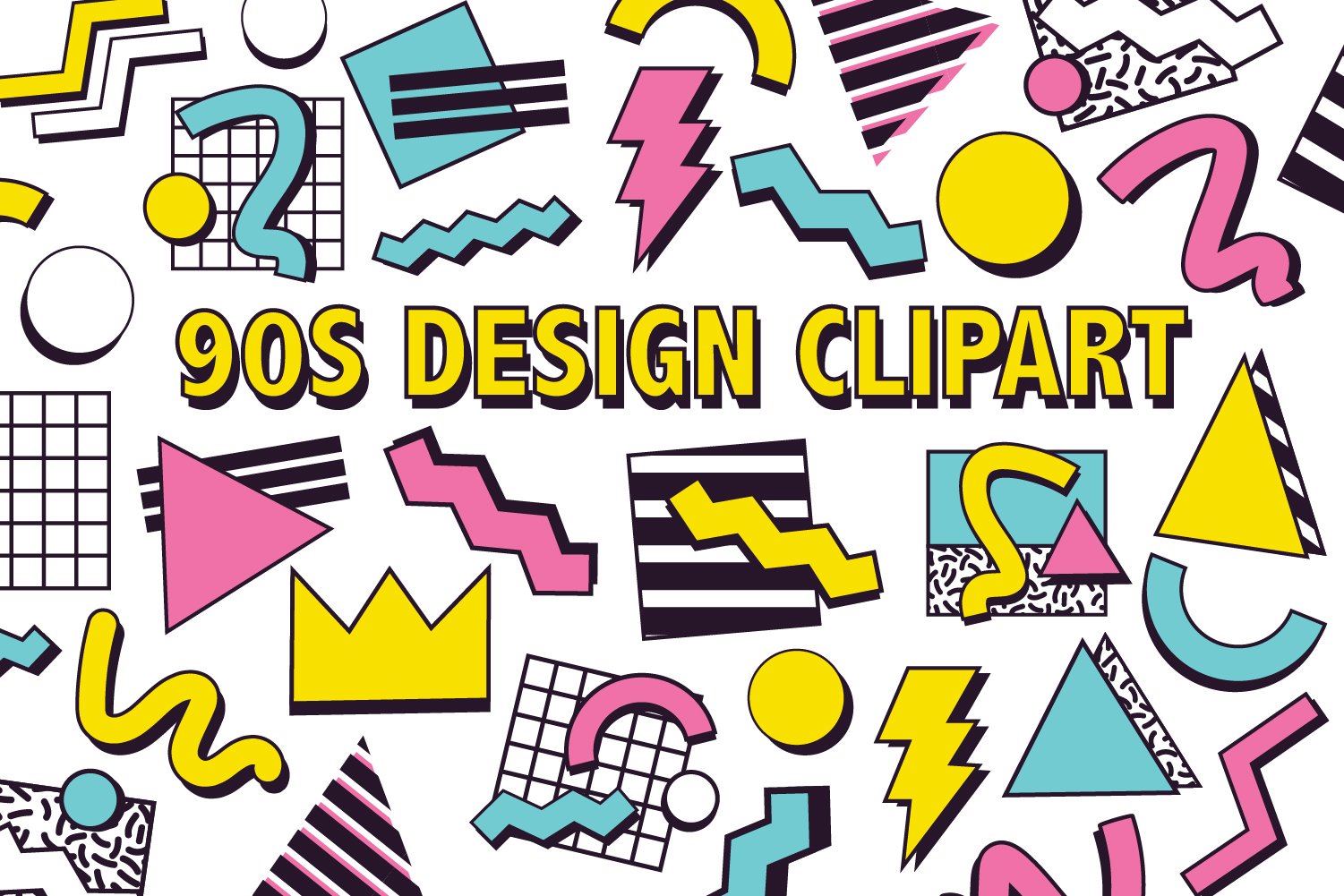
Cheap design has a unique appeal: fast delivery, low cost and the illusion of progress. It gives brands the sense that they are “moving quickly,” producing content and keeping up with the pace of the market. But beneath that surface efficiency lies a deeper problem. Cheap design is rarely strategic, rarely consistent and almost never aligned with long-term brand building.
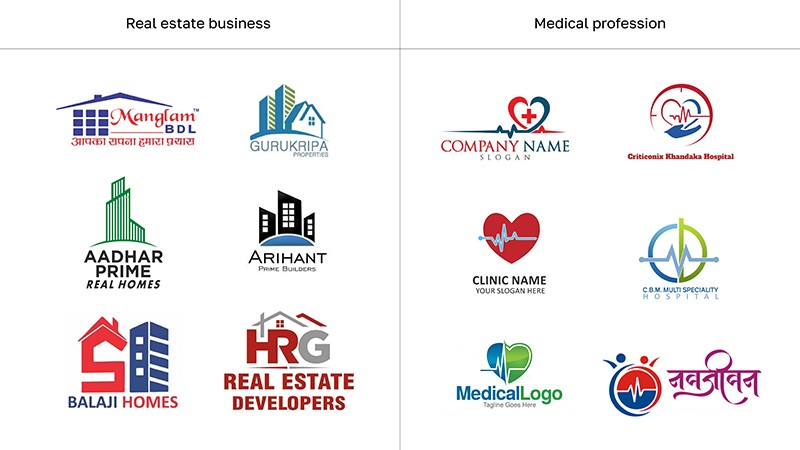
The immediate output may seem adequate, a passable logo, a workable social post, a functional layout. But when these one-off pieces accumulate, the cracks begin to show. A brand that looks slightly different every time it appears slowly erodes its own memorability. Recognition fades. Trust softens. And marketing teams are forced to work harder to achieve the same results.
This is why cheap design ultimately becomes expensive. Not because of the upfront cost, but because of the long-term cost of inconsistency. At Ember Creative, we see this often when organisations come to us after years of fragmented design. Rebuilding coherence takes more effort than maintaining it, which is exactly why we advocate for consistent retainer partnerships rather than reactive, one-off projects.
Part 2
A Lesson History Has Already Taught Us
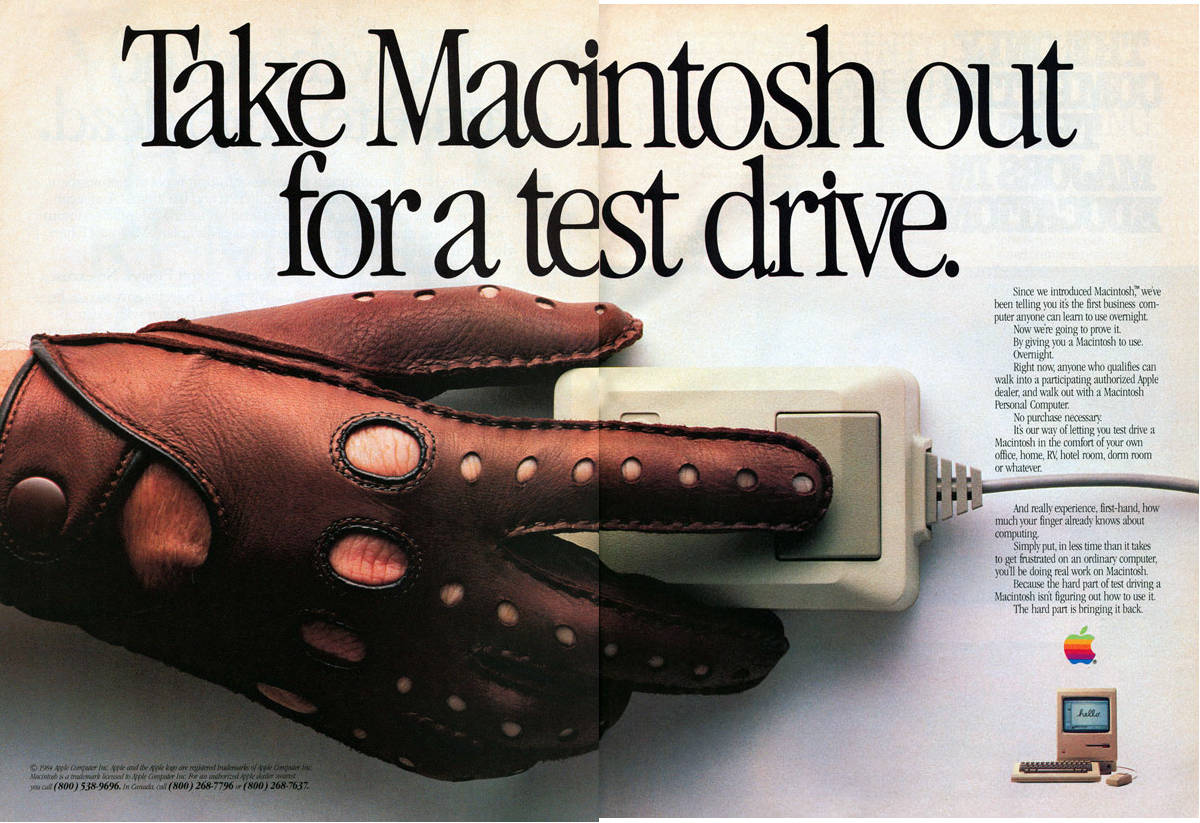
In the early 1990s, desktop publishing revolutionised design. Suddenly, anyone with a computer could create logos, posters and marketing materials. The technology was democratic and powerful, but the unintended side effect was a tidal wave of generic, low-quality visual identities. Clip-art logos, chaotic typography and over-styled effects became widespread, but almost none of those brands survived beyond a few years.
The same pattern is unfolding today. Canva, templates and AI-powered tools have made design widely accessible, which is a positive development for everyday tasks. But accessibility does not equal strategy. Platforms can generate visuals, but they cannot define a brand’s meaning, maintain consistency or create a system that scales across every touchpoint. That requires expertise, taste and ongoing stewardship.
Design critics and publications such as Fast Company and Brand New frequently highlight this growing issue: a global “sameness” where brands begin to resemble one another. When cheap design becomes the norm, differentiation disappears. The brands that stand out are the ones that invest in consistency, and consistency only comes from a disciplined, long-term design philosophy, not from quick transactions.
Part 3
Why Boutique Agencies Protect Brands from ‘Good Enough’
Boutique agencies are uniquely positioned to prevent the drift that cheap design creates. Because scale is intentionally limited, the same creative minds remain close to the work, ensuring that every output reinforces the brand’s system rather than diluting it. This level of care is difficult to achieve in large agency environments where work is dispersed across rotating teams.
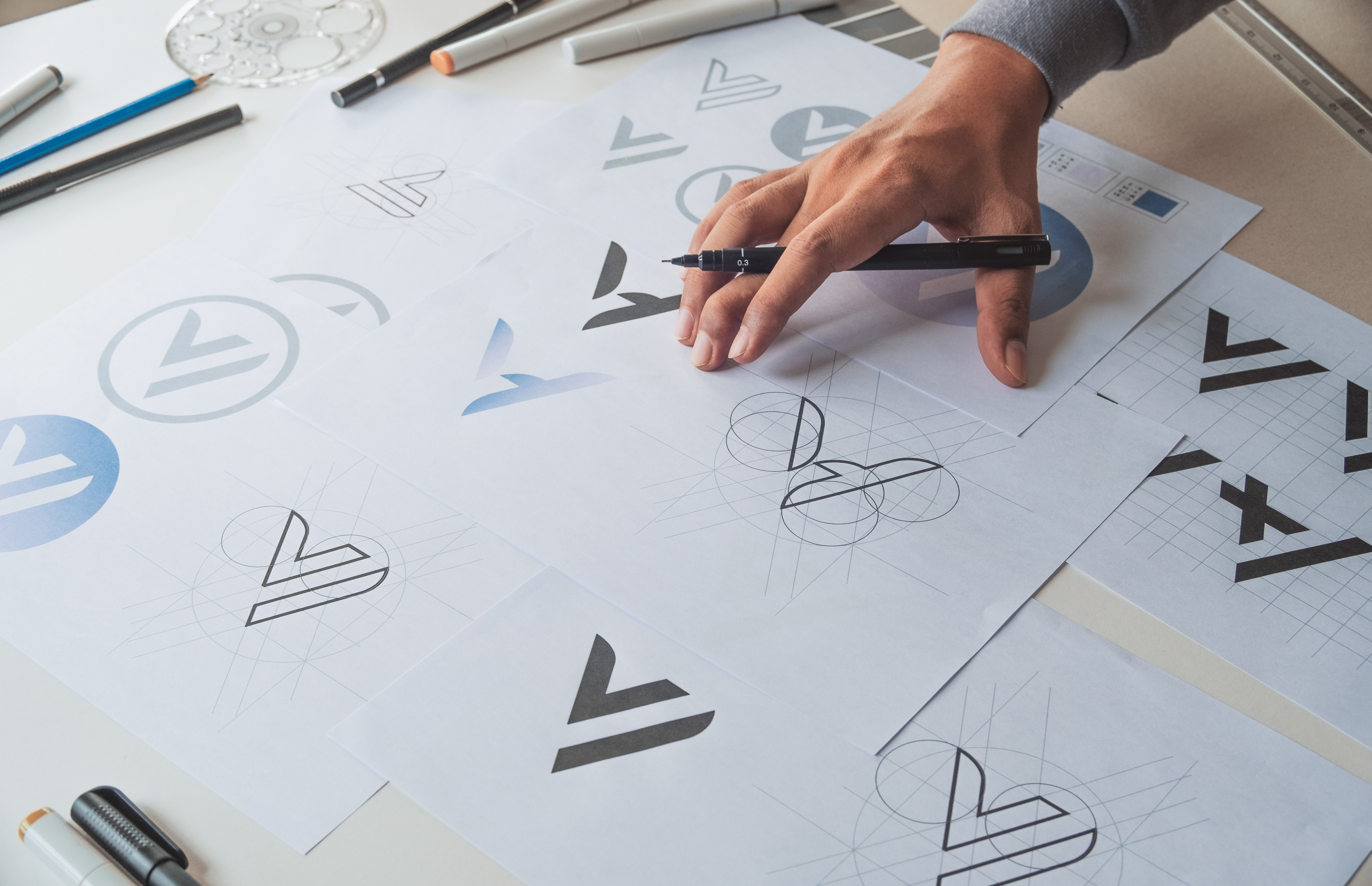
At Ember Creative, our retainer relationships give us the continuity to directly shape a brand’s evolution. Instead of producing isolated assets, we act as custodians of the brand’s quality, clarity and consistency. This ensures that each new campaign, presentation or touchpoint builds upon a strong foundation rather than adding to a patchwork of disconnected visuals.
This boutique approach transforms design from something expendable into something compound. Every decision strengthens what came before it. Marketing teams benefit from smoother workflows, clearer direction and improved performance, because a strong brand system reduces friction, accelerates decisions and amplifies the impact of every message.

Part 4
What Marketing Teams Gain by Avoiding the Cheap Design Trap
Marketing teams often turn to cheap design when deadlines are tight or budgets are squeezed. But in the long run, this approach creates more work. Inconsistent visuals make campaigns harder to execute. Brand recognition weakens. Internal teams lose confidence in how the brand should look and feel. The effort spent fixing inconsistencies far outweighs the cost saved upfront.
By committing to a design retainer, organisations gain a partner who maintains standards, protects the brand and ensures every piece of communication aligns with the larger identity system. This continuity reduces risk, saves time and increases the effectiveness of every marketing effort. Instead of reinventing the wheel each time, teams build on a shared foundation.
Ultimately, design becomes more cost-effective when it is treated as a long-term asset rather than a series of shortcuts. Strong brands are not the result of occasional brilliance; they are the result of sustained discipline. For marketing teams, the choice is simple: invest in coherence early, or spend far more correcting fragmentation later.
Closing
The True Cost of Cheap Design
Cheap design may appear efficient in the moment, but it gradually strips a brand of its clarity, recognition and competitive edge. The organisations that thrive are those that invest in consistent, guided design stewardship, the kind that only emerges through long-term partnership. Ember Creative helps marketing teams avoid fragmentation and build brands that grow stronger with every application. When design is treated as an asset, it becomes one of the most powerful investments a business can make.
May 8, 2025
The Myth of Cheap Design
Part 1
The Hidden Cost of Cutting Corners
Cheap design has a unique appeal: fast delivery, low cost and the illusion of progress. It gives brands the sense that they are “moving quickly,” producing content and keeping up with the pace of the market. But beneath that surface efficiency lies a deeper problem. Cheap design is rarely strategic, rarely consistent and almost never aligned with long-term brand building.
The immediate output may seem adequate, a passable logo, a workable social post, a functional layout. But when these one-off pieces accumulate, the cracks begin to show. A brand that looks slightly different every time it appears slowly erodes its own memorability. Recognition fades. Trust softens. And marketing teams are forced to work harder to achieve the same results.
This is why cheap design ultimately becomes expensive. Not because of the upfront cost, but because of the long-term cost of inconsistency. At Ember Creative, we see this often when organisations come to us after years of fragmented design. Rebuilding coherence takes more effort than maintaining it, which is exactly why we advocate for consistent retainer partnerships rather than reactive, one-off projects.
Part 2
A Lesson History Has Already Taught Us
In the early 1990s, desktop publishing revolutionised design. Suddenly, anyone with a computer could create logos, posters and marketing materials. The technology was democratic and powerful, but the unintended side effect was a tidal wave of generic, low-quality visual identities. Clip-art logos, chaotic typography and over-styled effects became widespread, but almost none of those brands survived beyond a few years.
The same pattern is unfolding today. Canva, templates and AI-powered tools have made design widely accessible, which is a positive development for everyday tasks. But accessibility does not equal strategy. Platforms can generate visuals, but they cannot define a brand’s meaning, maintain consistency or create a system that scales across every touchpoint. That requires expertise, taste and ongoing stewardship.
Design critics and publications such as Fast Company and Brand New frequently highlight this growing issue: a global “sameness” where brands begin to resemble one another. When cheap design becomes the norm, differentiation disappears. The brands that stand out are the ones that invest in consistency, and consistency only comes from a disciplined, long-term design philosophy, not from quick transactions.
Part 3
Why Boutique Agencies Protect Brands from ‘Good Enough’
Boutique agencies are uniquely positioned to prevent the drift that cheap design creates. Because scale is intentionally limited, the same creative minds remain close to the work, ensuring that every output reinforces the brand’s system rather than diluting it. This level of care is difficult to achieve in large agency environments where work is dispersed across rotating teams.
At Ember Creative, our retainer relationships give us the continuity to directly shape a brand’s evolution. Instead of producing isolated assets, we act as custodians of the brand’s quality, clarity and consistency. This ensures that each new campaign, presentation or touchpoint builds upon a strong foundation rather than adding to a patchwork of disconnected visuals.
This boutique approach transforms design from something expendable into something compound. Every decision strengthens what came before it. Marketing teams benefit from smoother workflows, clearer direction and improved performance, because a strong brand system reduces friction, accelerates decisions and amplifies the impact of every message.
Part 4
What Marketing Teams Gain by Avoiding the Cheap Design Trap
Marketing teams often turn to cheap design when deadlines are tight or budgets are squeezed. But in the long run, this approach creates more work. Inconsistent visuals make campaigns harder to execute. Brand recognition weakens. Internal teams lose confidence in how the brand should look and feel. The effort spent fixing inconsistencies far outweighs the cost saved upfront.
By committing to a design retainer, organisations gain a partner who maintains standards, protects the brand and ensures every piece of communication aligns with the larger identity system. This continuity reduces risk, saves time and increases the effectiveness of every marketing effort. Instead of reinventing the wheel each time, teams build on a shared foundation.
Ultimately, design becomes more cost-effective when it is treated as a long-term asset rather than a series of shortcuts. Strong brands are not the result of occasional brilliance; they are the result of sustained discipline. For marketing teams, the choice is simple: invest in coherence early, or spend far more correcting fragmentation later.
Closing
The True Cost of Cheap Design
Cheap design may appear efficient in the moment, but it gradually strips a brand of its clarity, recognition and competitive edge. The organisations that thrive are those that invest in consistent, guided design stewardship, the kind that only emerges through long-term partnership. Ember Creative helps marketing teams avoid fragmentation and build brands that grow stronger with every application. When design is treated as an asset, it becomes one of the most powerful investments a business can make.
May 8, 2025
The Myth of Cheap Design
Part 1
The Hidden Cost of Cutting Corners
Cheap design has a unique appeal: fast delivery, low cost and the illusion of progress. It gives brands the sense that they are “moving quickly,” producing content and keeping up with the pace of the market. But beneath that surface efficiency lies a deeper problem. Cheap design is rarely strategic, rarely consistent and almost never aligned with long-term brand building.
The immediate output may seem adequate, a passable logo, a workable social post, a functional layout. But when these one-off pieces accumulate, the cracks begin to show. A brand that looks slightly different every time it appears slowly erodes its own memorability. Recognition fades. Trust softens. And marketing teams are forced to work harder to achieve the same results.
This is why cheap design ultimately becomes expensive. Not because of the upfront cost, but because of the long-term cost of inconsistency. At Ember Creative, we see this often when organisations come to us after years of fragmented design. Rebuilding coherence takes more effort than maintaining it, which is exactly why we advocate for consistent retainer partnerships rather than reactive, one-off projects.
Part 2
A Lesson History Has Already Taught Us
In the early 1990s, desktop publishing revolutionised design. Suddenly, anyone with a computer could create logos, posters and marketing materials. The technology was democratic and powerful, but the unintended side effect was a tidal wave of generic, low-quality visual identities. Clip-art logos, chaotic typography and over-styled effects became widespread, but almost none of those brands survived beyond a few years.
The same pattern is unfolding today. Canva, templates and AI-powered tools have made design widely accessible, which is a positive development for everyday tasks. But accessibility does not equal strategy. Platforms can generate visuals, but they cannot define a brand’s meaning, maintain consistency or create a system that scales across every touchpoint. That requires expertise, taste and ongoing stewardship.
Design critics and publications such as Fast Company and Brand New frequently highlight this growing issue: a global “sameness” where brands begin to resemble one another. When cheap design becomes the norm, differentiation disappears. The brands that stand out are the ones that invest in consistency, and consistency only comes from a disciplined, long-term design philosophy, not from quick transactions.
Part 3
Why Boutique Agencies Protect Brands from ‘Good Enough’
Boutique agencies are uniquely positioned to prevent the drift that cheap design creates. Because scale is intentionally limited, the same creative minds remain close to the work, ensuring that every output reinforces the brand’s system rather than diluting it. This level of care is difficult to achieve in large agency environments where work is dispersed across rotating teams.
At Ember Creative, our retainer relationships give us the continuity to directly shape a brand’s evolution. Instead of producing isolated assets, we act as custodians of the brand’s quality, clarity and consistency. This ensures that each new campaign, presentation or touchpoint builds upon a strong foundation rather than adding to a patchwork of disconnected visuals.
This boutique approach transforms design from something expendable into something compound. Every decision strengthens what came before it. Marketing teams benefit from smoother workflows, clearer direction and improved performance, because a strong brand system reduces friction, accelerates decisions and amplifies the impact of every message.
Part 4
What Marketing Teams Gain by Avoiding the Cheap Design Trap
Marketing teams often turn to cheap design when deadlines are tight or budgets are squeezed. But in the long run, this approach creates more work. Inconsistent visuals make campaigns harder to execute. Brand recognition weakens. Internal teams lose confidence in how the brand should look and feel. The effort spent fixing inconsistencies far outweighs the cost saved upfront.
By committing to a design retainer, organisations gain a partner who maintains standards, protects the brand and ensures every piece of communication aligns with the larger identity system. This continuity reduces risk, saves time and increases the effectiveness of every marketing effort. Instead of reinventing the wheel each time, teams build on a shared foundation.
Ultimately, design becomes more cost-effective when it is treated as a long-term asset rather than a series of shortcuts. Strong brands are not the result of occasional brilliance; they are the result of sustained discipline. For marketing teams, the choice is simple: invest in coherence early, or spend far more correcting fragmentation later.
Closing
The True Cost of Cheap Design
Cheap design may appear efficient in the moment, but it gradually strips a brand of its clarity, recognition and competitive edge. The organisations that thrive are those that invest in consistent, guided design stewardship, the kind that only emerges through long-term partnership. Ember Creative helps marketing teams avoid fragmentation and build brands that grow stronger with every application. When design is treated as an asset, it becomes one of the most powerful investments a business can make.